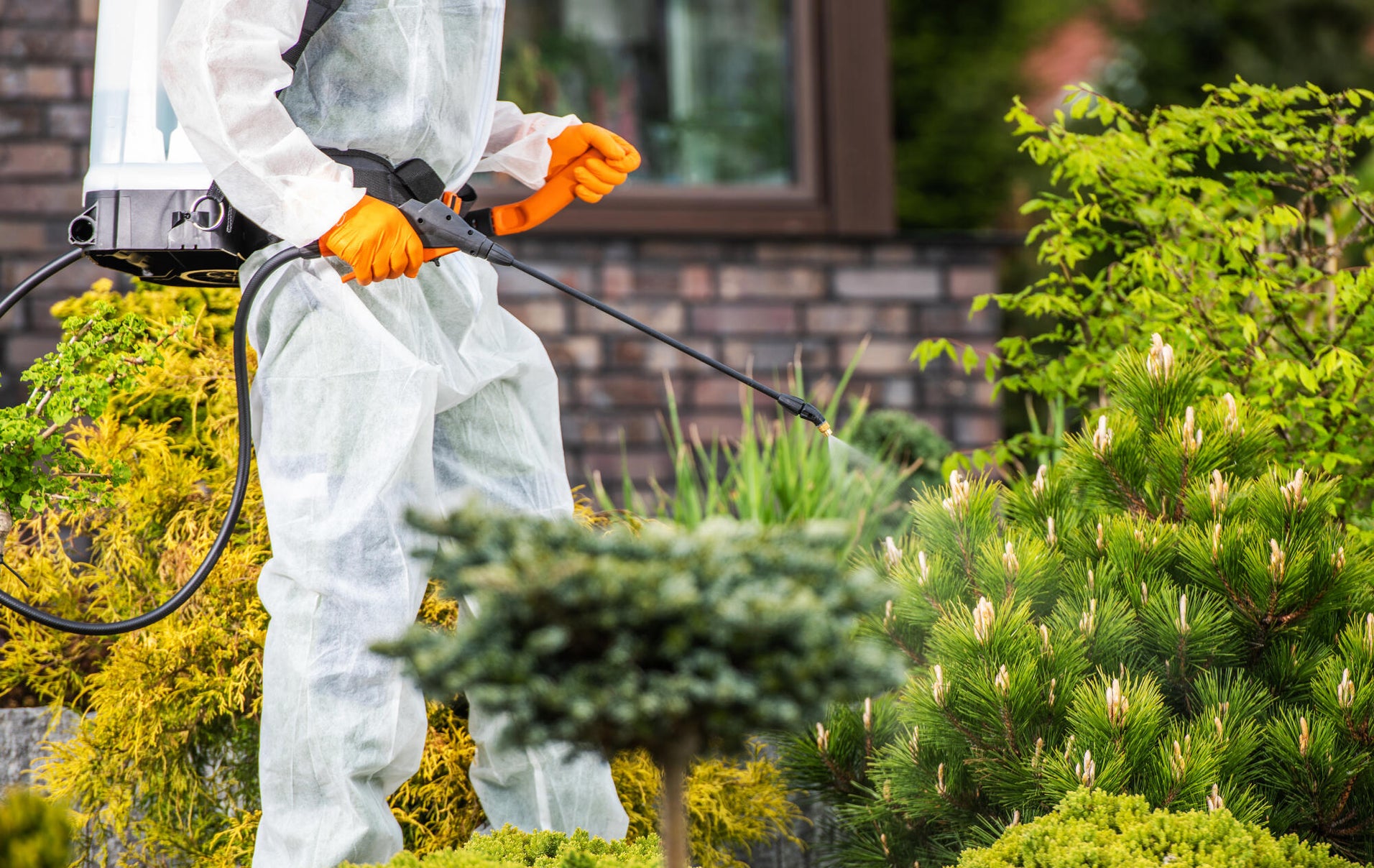
In Canada, most major rental property maintenance tasks are the landlord's responsibility, but pest control seems to occupy a gray area in the minds of both tenants and landlords. Both parties have a role to play in terms of pest management, but confusion can arise about who should do what.
So, who is responsible for pest control in a rental property in BC?
The answer isn’t always black and white. Both landlords and tenants play a role, and misunderstanding responsibilities can lead to serious illness, including property damage, health risks, and legal disputes.
This guide breaks down landlord and tenant responsibilities so you can manage pest control the right way.
Are Landlords Responsible for Pest Control in BC?
Under British Columbia law, landlords must keep their properties in a habitable and safe condition. They are primarily responsible for ensuring their properties remain pest-free by carrying out seasonal pest control and attending to general maintenance.
However, sometimes a tenant's actions can lead to pest problems. They can attract pests through negligent actions, like:
- Not keeping the home clean
- Bringing in furniture infested with pests, like bedbugs or fleas
- Leaving food out where it can attract pests
- Neglecting to take care of waste disposal
What Pest Control Responsibilities Do Landlords Have?
Some pest infestations are difficult to contain and even more difficult to eradicate, so it makes sense that landlords must do everything in their power to prevent pests from gaining a foothold in their investment property.
Landlord pest control duties include the following:
Providing a Pest-Free Property at Move-In
Landlords must ensure that their rental unit is clean, habitable, and free of pests before the tenant moves in.
According to the Residential Tenancy Act, landlords and tenants must conduct an initial property inspection together at the beginning of the tenancy or when the tenant acquires a new pet. This is to ensure both parties are satisfied with the condition of the rental unit.
Maintaining the Property and Fixing Structural Issues
Landlords must repair all structural defects that could harbor or attract pests. These include:
- Cracks
- Dampness
- Leaks
- Plumbing leaks
Responding Quickly to Pest Complaints
There's no time to waste when it comes to pests. By the time you lay eyes on one, you can rest assured they've already made themselves at home.
In this light, landlords must act quickly if their tenants report signs of pest activity by investigating the matter and enlisting the help of professional pest control services as necessary.
Although pests love the comforts of interior living, they're quite at home outdoors too. Landlords must ensure that all external and common areas are free of conditions that pests enjoy, such as standing water and rotting leaves.
It's imperative to outline details regarding pest control in the lease agreement and stick to them. That way, both parties understand their responsibilities and obligations.Landlords and tenants must work together to avoid misunderstandings regarding pest control and to maintain a positive relationship.
Ongoing pest control measures are the single most effective way to prevent pest infestations. Landlords must arrange for periodic pest treatments with a reputable pest control service to prevent and manage pest issues.Quarterly pest control treatments are generally considered sufficient to keep pests under control. This is usually an effective time frame for controlling common pests like:
There's no time to waste when it comes to pests. By the time you lay eyes on one, you can rest assured they've already made themselves at home.
In this light, landlords must act quickly if their tenants report signs of pest activity by investigating the matter and enlisting the help of professional pest control services as necessary.
Maintaining Exterior and Common Areas
Although pests love the comforts of interior living, they're quite at home outdoors too. Landlords must ensure that all external and common areas are free of conditions that pests enjoy, such as standing water and rotting leaves.
Compliance With Lease Agreements
It's imperative to outline details regarding pest control in the lease agreement and stick to them. That way, both parties understand their responsibilities and obligations.Landlords and tenants must work together to avoid misunderstandings regarding pest control and to maintain a positive relationship.
Scheduling Preventative Pest Control
Ongoing pest control measures are the single most effective way to prevent pest infestations. Landlords must arrange for periodic pest treatments with a reputable pest control service to prevent and manage pest issues.Quarterly pest control treatments are generally considered sufficient to keep pests under control. This is usually an effective time frame for controlling common pests like:
- Termites
- Fleas
- Ants
- Cockroaches
Older buildings and those in infestation-prone areas may need more frequent treatments. Other factors that can affect your pest control schedule include:
- Pest activity levels
- The types of pests
- The severity of the infestation
- Seasonal pest activity
- Property characteristics, such as structural vulnerabilities
When Are Tenants Responsible for Pest Control?
Tenants have certain legal obligations regarding pest management in rentals, too. Their responsibilities mainly revolve around cleanliness, waste disposal, and communicating effectively with their landlord. Rental tenants must:
Maintain Cleanliness
Tenants should regularly clean areas of the home where food and water are present, such as kitchens, bathrooms, and dining rooms. Wiping surfaces often and cleaning up spills promptly helps create an unattractive environment for pests.
Store Food Securely
Food should never be left open, especially overnight. All food items should be sealed in rodent-proof containers or stored in a refrigerator.Dispose of Waste Properly
Trash is the perfect habitat for rats and cockroaches. All garbage should be placed in sealed bags, kept in a sturdy, pest-proof waste bin, and removed often.Avoid Clutter
Clutter creates plenty of spaces for small pests to hide and multiply. Tenants should keep garages and other storage areas well-organized and clutter-free to prevent pests from moving in.Report Pest Issues Promptly
Tenants must notify the landlord as soon as they notice any sign of pets on the property. Swift action can help prevent serious problems later on.Cursory pest inspections may reveal telltale signs of pests, such as rodent droppings or nibbled woodwork.
Prevent Moisture Buildup
Standing water is a prime breeding ground for mosquitoes and is attractive to many other pests. Tenants should report leaks or dampness to the landlord as a matter of urgency.Comply With Landlord Guidelines
Tenants must comply with their lease agreement and follow any other pest prevention instructions provided by the landlord. The landlord is familiar with the history of the property and always knows best when it comes to preventing and controlling pests year-round.What Happens if Pest Issues Are Ignored?
Failing to address pest problems can lead to serious consequences.
For landlords:
- Legal disputes
- Tenant complaints
- Potential loss of rental income
For tenants:
- Health risks
- Property damage
- Liability for damages if caused by negligence
Maintaining a pest-free environment protects both parties and ensures a positive rental experience.
Local Considerations for Tri-Cities Landlords
In areas like Port Moody property management and across Coquitlam and Surrey, pest control is especially important due to climate conditions and property density.
Proactive pest management helps landlords protect their investment and maintain tenant satisfaction in competitive rental markets.
We have Answers for All Your Property Management Questions
Figuring out issues like 'are landlords responsible for pest control?' is only a small part of managing tenant rights and landlord legal obligations. That's why many Port Moody, Coquitlam, and Surrey landlords turn to property management experts for assistance.
Working with professional property management services ensures that maintenance, tenant communication, and legal compliance are handled correctly.
Reach out today and discover true professionalism in property management.
Frequently Asked Questions
Are landlords responsible for pest control in BC?
Yes, landlords are generally responsible for maintaining a pest-free property unless the infestation is caused by tenant negligence.
Can tenants be responsible for pest infestations?
Yes, if pests are caused by poor cleanliness, improper food storage, or other tenant actions, tenants may be responsible for the costs.
How often should pest control be done in rental properties?
Quarterly pest control treatments are typically recommended, but frequency may vary depending on the property and pest activity.
What should tenants do if they notice pests?
Tenants should report the issue to the landlord immediately to prevent the problem from worsening.
Should pest control responsibilities be included in the lease?
Yes, clearly outlining pest control responsibilities in the lease helps prevent disputes and ensures both parties understand their roles.