Owning rental property is a long-term investment, and protecting its value requires more than simply collecting rent each month.
Routine property maintenance helps preserve your investment, reduce costly repairs, attract quality tenants, and improve long-term returns. Well-maintained properties also tend to experience lower vacancy rates because prospective tenants are naturally drawn to homes that are clean, functional, and well cared for.
The good news is that maintaining your property's value doesn't always require major renovations. Consistent preventative maintenance both inside and outside the property can significantly extend the life of your building while helping avoid expensive emergency repairs.
This guide covers practical exterior and interior maintenance strategies that every landlord should include in their property management plan.
Why Preventative Maintenance Matters
Many expensive repairs begin as relatively minor issues. A small roof leak, clogged gutter, cracked seal around a window, or leaking faucet can eventually lead to water damage, mould, structural repairs, or costly replacements if ignored.
Preventative maintenance helps landlords:
- Protect property value
- Reduce emergency repair costs
- Extend the life of building systems
- Improve tenant satisfaction
- Encourage lease renewals
- Maintain curb appeal
- Support higher rental values
Rather than reacting to problems, successful landlords schedule routine inspections throughout the year to identify issues before they become major expenses. Professional Ongoing Property Management Services often include regular property inspections that help identify maintenance concerns early.
Exterior Maintenance Protects Your Investment
The exterior of your property is constantly exposed to rain, wind, sunlight, and seasonal temperature changes. Regular maintenance helps prevent weather-related damage while creating a strong first impression for prospective tenants. Even relatively small improvements can have a noticeable impact on both curb appeal and long-term maintenance costs.
Keep Landscaping Well Maintained
A tidy landscape immediately makes a property look more inviting. Fortunately, maintaining attractive landscaping doesn't require elaborate gardens or expensive features.
Simple maintenance usually includes:
- Mowing the lawn
- Trimming shrubs
- Removing weeds
- Cleaning garden beds
- Clearing leaves
- Maintaining walkways
- Pruning trees when necessary
Healthy landscaping also helps reduce moisture buildup around the foundation and improves the overall appearance of the property. For landlords with larger properties, hiring professional landscaping services can ensure consistent maintenance throughout the year.
Schedule Regular Roof Inspections
Your roof is one of the most important components of your property. Even small roofing issues can lead to expensive water damage if left untreated.
Regular roof inspections can help identify:
- Missing shingles
- Damaged flashing
- Clogged roof drains
- Moss growth
- Small leaks
- Storm damage
Addressing these issues early is usually far less expensive than replacing damaged ceilings, insulation, or structural components later.
Inspect Windows and Doors
Windows and doors contribute to both energy efficiency and property security.
As part of your regular maintenance routine, inspect them for:
- Damaged weatherstripping
- Drafts
- Moisture intrusion
- Broken locks
- Cracked seals
- Difficulty opening or closing
Replacing worn seals or weatherstripping is a relatively inexpensive repair that can improve comfort while reducing heating and cooling costs.
Maintain Siding, Driveways, and Walkways
The condition of your property's exterior surfaces affects both appearance and safety.
Regularly inspect siding for:
- Cracks
- Warping
- Loose panels
- Moisture damage
Driveways and walkways should also be checked for:
- Cracks
- Uneven surfaces
- Drainage issues
- Loose paving stones
Prompt repairs help prevent larger structural problems while reducing potential liability from trip hazards.
Refresh Exterior Paint When Needed
Paint does much more than improve appearance. A well-maintained exterior paint finish helps protect siding, trim, and other exterior materials from moisture and weather damage. Depending on the materials used and local climate conditions, repainting may be required periodically to maintain both protection and curb appeal. Neutral, well-maintained colours also tend to appeal to a broader range of prospective tenants.
Create a Seasonal Exterior Maintenance Checklist
Rather than waiting for problems to appear, many landlords create a seasonal maintenance schedule.
For example:
Spring
- Inspect the roof
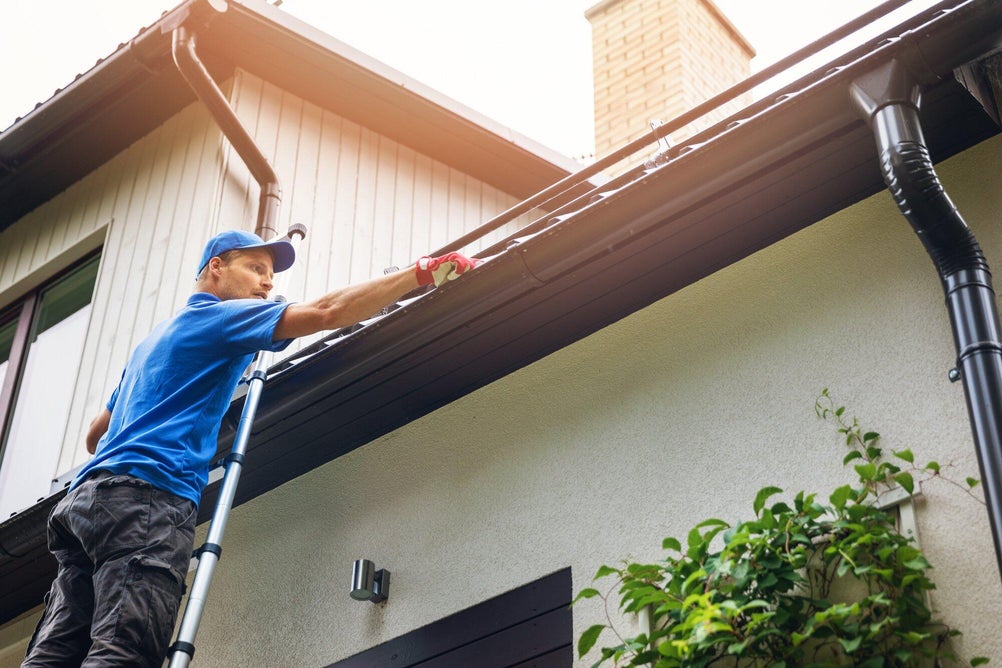
- Clean gutters
- Check exterior drainage
- Service irrigation systems
- Inspect siding
Summer
- Paint exterior surfaces if needed
- Trim landscaping
- Wash windows
- Inspect decks and fences
Fall
- Remove leaves
- Clean gutters again
- Winterize exterior faucets
- Inspect weather seals
Winter
- Monitor ice buildup
- Remove snow where necessary
- Check for storm damage
Following a seasonal checklist makes maintenance more manageable while reducing the likelihood of unexpected repairs.
Interior Maintenance Is Just as Important
While curb appeal attracts prospective tenants, the interior determines whether they'll choose your property and whether they'll renew their lease. A well-maintained interior creates a positive living experience while reducing long-term repair costs. Routine inspections and preventative maintenance help preserve finishes, appliances, and building systems, ultimately protecting your investment.
Keep the Property Clean Between Tenancies
Every tenancy provides an opportunity to thoroughly inspect and refresh the property.
Professional cleaning between tenants helps:
- Present the property in its best condition
- Identify hidden maintenance issues
- Extend the life of flooring and finishes
- Reduce wear and tear over time
Areas that deserve particular attention include:
- Flooring and carpets
- Kitchens and appliances
- Bathrooms
- Baseboards and trim
- Light fixtures
- Windows
- Cabinets and storage areas
A clean property also creates a stronger first impression during showings, making it easier to attract quality tenants.
Address Repairs Before They Become Expensive
One of the biggest mistakes landlords make is postponing small repairs. Minor issues can quickly develop into much larger and more expensive problems.
Examples include:
- Dripping faucets
- Running toilets
- Loose handrails
- Cracked caulking
- Small plumbing leaks
- Damaged flooring
- Minor drywall damage
Regular property inspections help identify these problems early. When repairs require specialized knowledge, it's usually more cost-effective to hire qualified professionals than attempt temporary fixes. Our Residential Property Management Services include proactive maintenance coordination to help landlords address issues before they escalate.
Upgrade Fixtures and Appliances Strategically
Not every improvement requires a complete renovation. Replacing outdated fixtures can modernize a property while improving functionality and tenant satisfaction.
Consider upgrading:
- Light fixtures
- Kitchen faucets
- Cabinet hardware
- Bathroom fixtures
- Thermostats
- Smoke and carbon monoxide detectors
Energy-efficient appliances can also increase the property's appeal while reducing utility consumption where landlords are responsible for utility costs. These improvements often provide a strong return on investment by making the property more attractive to prospective tenants.
Refresh Interior Paint Periodically
Fresh paint remains one of the most cost-effective improvements landlords can make.
Over time, walls naturally accumulate:
- Scuff marks
- Nail holes
- Minor damage
- Fading
- General wear
Refreshing paint between tenancies helps maintain a clean, modern appearance. Neutral colours generally appeal to a broader range of tenants and create brighter, more spacious-looking rooms.
Maximize Storage Space
Storage is an increasingly important feature for renters. Even small improvements can make a property feel more functional.
Examples include:
- Closet organizers
- Built-in shelving
- Additional pantry storage
- Garage shelving
- Laundry room cabinets
Well-planned storage solutions improve daily living while increasing the perceived value of the property.
Maintain Healthy Indoor Air Quality
Indoor air quality directly affects tenant comfort and the overall condition of the property.
Routine maintenance should include:
- Replacing HVAC filters
- Cleaning exhaust fans
- Inspecting ventilation systems
- Checking for signs of moisture
- Monitoring areas prone to mould growth
Addressing ventilation issues promptly helps reduce humidity, improve comfort, and protect building materials from long-term damage.
Schedule Routine Property Inspections
Regular inspections are one of the most effective ways to protect your investment. They allow landlords to identify maintenance concerns before they become major repairs while ensuring tenants are caring for the property appropriately.
Routine inspections may include checking:
- Plumbing fixtures
- Appliances
- Flooring
- Walls and ceilings
- Windows and doors
- Smoke alarms
- Exterior condition
- Signs of water intrusion
Maintaining a consistent inspection schedule also provides valuable documentation of the property's condition throughout the tenancy.
Create a Long-Term Maintenance Plan
Successful landlords don't simply react to maintenance issues—they plan for them.
A long-term maintenance schedule helps budget for future repairs while extending the lifespan of major building components.
Examples include:
Planning ahead allows landlords to spread maintenance costs over time rather than facing unexpected large expenses.
Many landlords find that professional property management saves time while helping preserve the long-term value of their investment.Whether you own one rental property or a growing portfolio, Residential Property Management Services (link to /services) can help ensure maintenance is handled proactively and professionally.
Maintaining your property's value isn't about completing one major renovation—it's about consistently caring for every part of the building over time. By combining regular inspections, preventative maintenance, timely repairs, and strategic upgrades, landlords can reduce long-term costs while creating a property that attracts and retains quality tenants.
Whether you're managing a single rental home or multiple investment properties, staying proactive helps protect your investment and maximize long-term returns.
At Axford Property Management, we help landlords throughout Metro Vancouver preserve their properties through professional Residential Property Management Services and Ongoing Property Management Services. From routine inspections to maintenance coordination, our experienced team works to keep your investment performing at its best.
| Component | Typical Planning Cycle
| ------------------------- | --------------------------------
| Roof | Inspect annually
| Gutters | Clean twice per year
| HVAC servicing | Annually
| Exterior paint | Every 7–10 years (as needed)
| Interior paint | Between tenancies or as required
| Flooring | Inspect annually
| Appliances | Review condition annually
| Plumbing fixtures | Inspect annually
Planning ahead allows landlords to spread maintenance costs over time rather than facing unexpected large expenses.
Professional Property Management Helps Protect Property Value
Maintaining a rental property involves much more than responding to maintenance requests.Successful property management requires:- Preventative maintenance planning
- Routine inspections
- Vendor coordination
- Repair management
- Tenant communication
- Financial oversight
- Compliance with tenancy legislation
Many landlords find that professional property management saves time while helping preserve the long-term value of their investment.Whether you own one rental property or a growing portfolio, Residential Property Management Services (link to /services) can help ensure maintenance is handled proactively and professionally.
Frequently Asked Questions About Property Maintenance
Why is preventative maintenance important for rental properties?
Preventative maintenance helps identify small issues before they become major repairs, reducing costs while protecting your property's long-term value.How often should landlords inspect their rental property?
Inspection frequency should comply with the Residential Tenancy Act and tenancy agreement. Many landlords schedule routine inspections several times throughout the tenancy while respecting tenant notice requirements.What exterior maintenance should landlords prioritize?
Roof inspections, gutter cleaning, landscaping, siding maintenance, driveway repairs, window inspections, and exterior painting all contribute to preserving property value.Which interior improvements provide the best return on investment?
Fresh paint, updated fixtures, modern lighting, clean flooring, energy-efficient appliances, and improved storage are among the most cost-effective upgrades.Does regular maintenance help attract better tenants?
Yes. Well-maintained properties create stronger first impressions, encourage tenant satisfaction, and often experience lower vacancy rates and higher lease renewal rates.Should landlords complete maintenance themselves?
Minor maintenance may be suitable for experienced landlords, but electrical, plumbing, roofing, and other specialized work should generally be performed by qualified professionals.Protect Your Property Value for the Long Term
Maintaining your property's value isn't about completing one major renovation—it's about consistently caring for every part of the building over time. By combining regular inspections, preventative maintenance, timely repairs, and strategic upgrades, landlords can reduce long-term costs while creating a property that attracts and retains quality tenants.
Whether you're managing a single rental home or multiple investment properties, staying proactive helps protect your investment and maximize long-term returns.
At Axford Property Management, we help landlords throughout Metro Vancouver preserve their properties through professional Residential Property Management Services and Ongoing Property Management Services. From routine inspections to maintenance coordination, our experienced team works to keep your investment performing at its best.