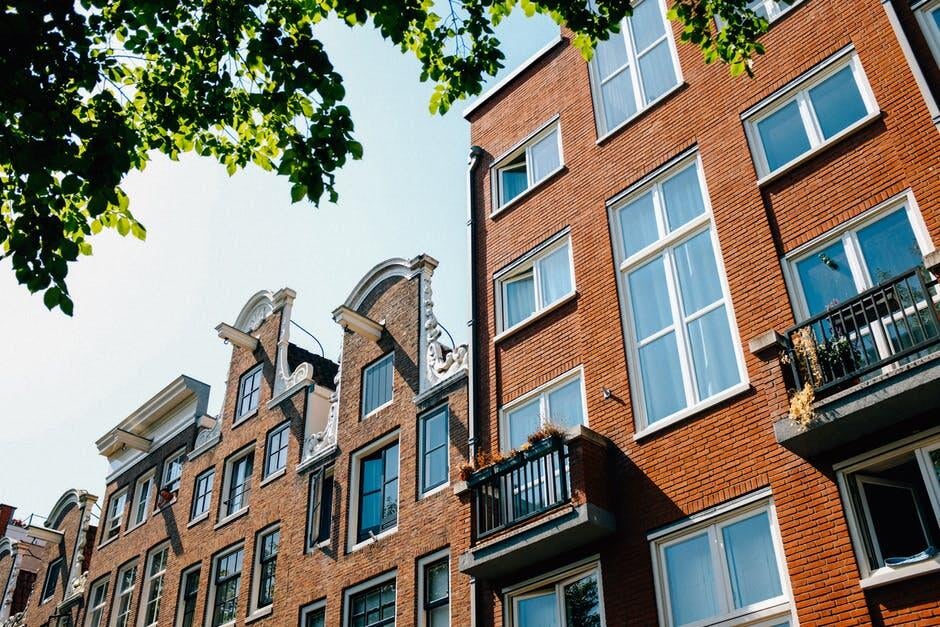
Are you considering hiring a property manager and wondering exactly what they do?
The demand for professional property management services continues to grow as more landlords and real estate investors recognize the value of expert management. According to industry forecasts, the global property management market is expected to continue expanding significantly over the next several years, driven by increasing rental housing demand and investor activity.
Whether you own a single rental property or a growing portfolio, understanding the role of a property management company can help you make better decisions and protect your investment.
What Is a Property Manager?
A property manager is a professional responsible for overseeing the day-to-day operations of a rental property on behalf of the owner.
Professional rental property management typically includes:
- Tenant placement
- Rent collection
- Property inspections
- Maintenance coordination
- Lease administration
- Financial reporting
- Legal compliance
Property managers work with various property types, including:
- Single-family homes
- Condominiums
- Townhomes
- Multi-family properties
- Residential rental portfolios
Ensuring Legal Compliance
One of the most important responsibilities of a property management company is ensuring compliance with British Columbia's Residential Tenancy Act and other applicable regulations.
Property managers help landlords:
- Follow tenancy laws
- Handle notices correctly
- Manage security deposits
- Maintain proper documentation
- Reduce legal risk
This helps protect both the landlord and tenant throughout the tenancy.
Setting Competitive Rental Rates
Determining the correct rental price requires more than simply reviewing nearby listings.
Professional property management services analyze:
- Current rental market conditions
- Comparable rental properties
- Vacancy trends
- Property features
- Seasonal demand
Accurate pricing helps landlords maximize rental income while reducing vacancy periods. Port Moody Property Management
Marketing Vacant Properties
A vacant property generates no income. One of the key responsibilities of a property manager is marketing rental properties effectively.
Professional marketing often includes:
- Professional photography
- Listing syndication
- Social media promotion
- Virtual tours
- Applicant follow-up
Strong marketing helps reduce vacancy and attract qualified tenants.
Tenant Screening and Approval
Tenant selection is one of the most important aspects of successful residential property management.
Professional tenant screening services typically include:
- Employment verification
- Income verification
- Credit checks
- Rental history reviews
- Reference checks
Careful screening helps reduce:
- Late payments
- Property damage
- Lease violations
- Evictions
Managing Tenant Communication
Property managers act as the primary point of contact between landlords and tenants.
They help resolve:
- Maintenance requests
- Lease questions
- Neighbour disputes
- Rent concerns
- General tenant inquiries
Good communication contributes to stronger tenant retention and fewer disputes.
Conducting Property Inspections
Regular inspections help protect the condition and value of rental properties.
Professional property managers typically conduct:
- Move-in inspections
- Move-out inspections
- Periodic inspections
- Maintenance assessments
These inspections help identify issues before they become expensive problems. Burnaby Property Management
Coordinating Repairs and Maintenance
A key component of rental property management is ensuring maintenance issues are addressed quickly and professionally.
Property managers coordinate:
- Plumbers
- Electricians
- HVAC contractors
- General contractors
- Emergency repairs
Prompt maintenance protects both tenant satisfaction and property value.
Protecting and Securing the Property
Property management extends beyond maintenance.
Property managers help:
- Maintain security systems
- Coordinate emergency preparedness
- Reduce liability risks
- Protect physical assets
A safe property improves tenant satisfaction and encourages lease renewals.
Financial Management and Rent Collection
Financial management is another major responsibility of a property manager.
Tasks often include:
- Rent collection
- Budget planning
- Expense tracking
- Invoice payments
- Financial reporting
- Vacancy monitoring
Professional financial oversight helps owners better understand property performance and improve profitability.
Why Many Landlords Hire a Property Management Company
Many landlords eventually discover that managing rental properties requires significant time and expertise.
A professional property management company can help:
- Reduce vacancies
- Improve tenant quality
- Handle legal compliance
- Coordinate maintenance
- Maximize rental income
This allows owners to enjoy the benefits of real estate investing without the day-to-day operational burden.
Frequently Asked Questions
What does a property manager do?
A property manager oversees tenant placement, rent collection, maintenance, inspections, financial reporting, and legal compliance for rental properties.
Is hiring a property manager worth it?
Many landlords find professional management worthwhile because it reduces stress, saves time, improves tenant quality, and helps maximize rental income.
How much do property management services cost?
Property management fees vary based on the property type, location, and level of service provided.
Do property managers conduct tenant screening?
Yes. Most professional property managers provide comprehensive tenant screening services, including credit checks, employment verification, and rental history reviews.
How often should rental properties be inspected?
Most professional property managers conduct move-in, move-out, and periodic inspections throughout the tenancy.
Can a property manager help reduce vacancies?
Yes. Professional marketing, strategic pricing, and responsive communication often help reduce vacancy periods and attract qualified tenants.