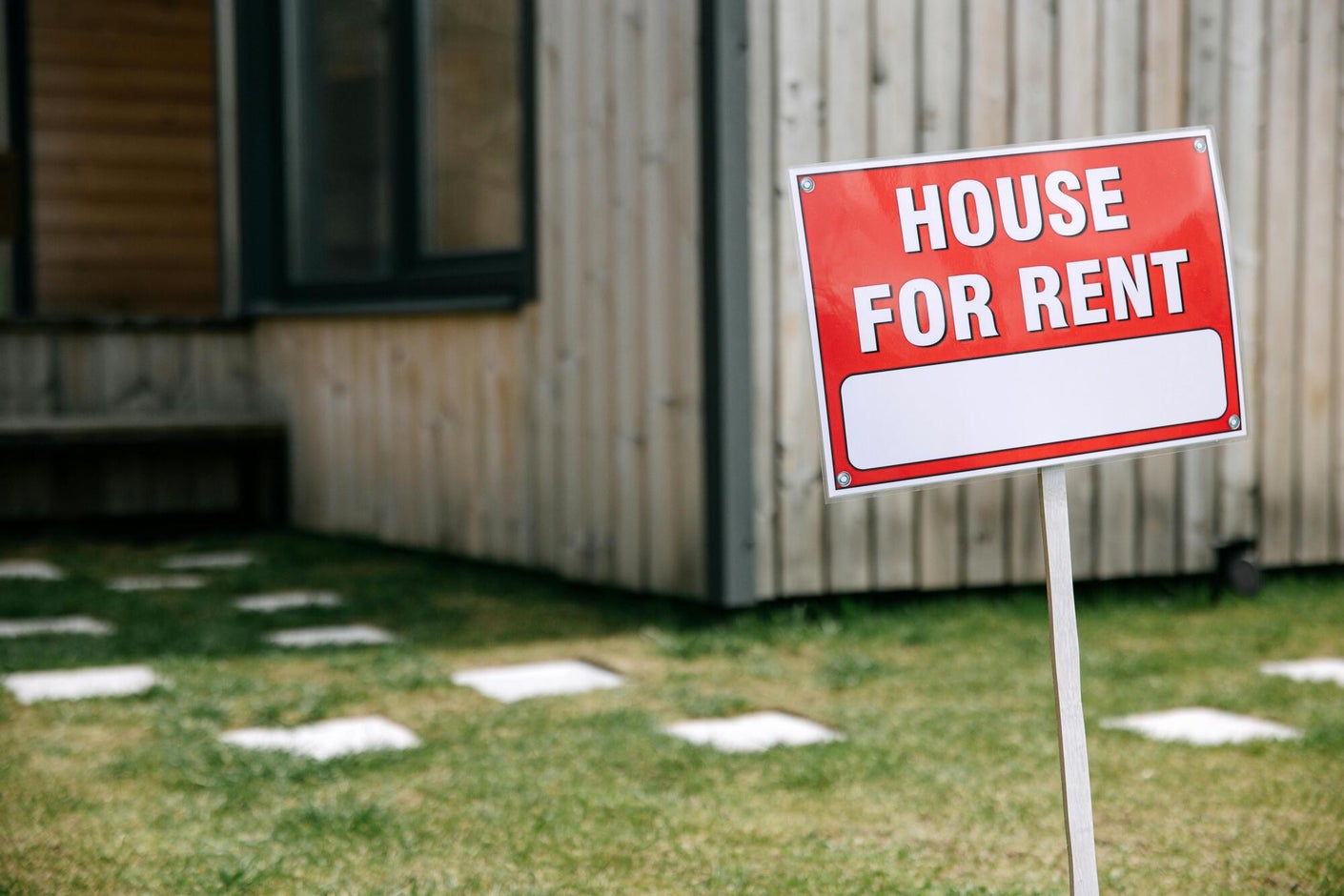
Becoming a landlord for the first time is an exciting milestone, but it also comes with important legal, financial, and practical responsibilities. Whether you're moving into a new home and renting out your current property, purchasing your first investment property, or deciding to generate additional income from your existing home, preparing properly can make all the difference.
Many first-time landlords assume renting out a house simply involves advertising the property and collecting rent. In reality, successful rental property management starts long before your first tenant moves in. Setting the right rental price, understanding BC tenancy laws, screening tenants carefully, documenting your property's condition, and planning for ongoing maintenance all contribute to protecting your investment.
This guide walks you through every major step involved in renting out a house for the first time in British Columbia, helping you avoid common mistakes while maximizing your rental income and minimizing unnecessary stress.
Is Renting Out Your House the Right Decision?
Before listing your property, take time to evaluate whether becoming a landlord aligns with your financial goals, available time, and long-term investment strategy.
Owning a rental property can provide many benefits, including:
- Consistent monthly rental income
- Long-term property appreciation
- Tax advantages on eligible rental expenses
- Increased equity as tenants help pay down your mortgage
- Diversification of your investment portfolio
However, becoming a landlord also means accepting ongoing responsibilities. You'll be responsible for tenant communication, maintenance, emergency repairs, inspections, legal compliance, rent collection, and keeping accurate records throughout the tenancy.
Many first-time landlords underestimate the amount of time required to successfully manage a rental property. If you'd rather enjoy the benefits of rental income without the day-to-day responsibilities, professional Residential Property Management Services can manage every stage of the tenancy while helping protect your investment.
Understand Your Responsibilities as a BC Landlord
Before advertising your property, it's important to understand your legal responsibilities.
In British Columbia, residential tenancies are governed by the Residential Tenancy Act and administered by the Residential Tenancy Branch (RTB). These regulations establish the rights and responsibilities of both landlords and tenants throughout the tenancy.
As a landlord, you should understand topics such as:
- Security deposits and pet damage deposits
- Move-in and move-out inspections
- Rent increase regulations
- Required notice periods
- Repairs and maintenance responsibilities
- Entering the rental property legally
- Tenant privacy
- Dispute resolution procedures
Understanding these requirements before your first tenancy helps reduce disputes, protects your investment, and creates a better rental experience for both you and your tenants.
Prepare Your House Before Listing It
A well-prepared property attracts more qualified tenants, rents faster, and often commands a higher monthly rent. Before advertising your rental, complete a thorough inspection and address any maintenance issues that could discourage prospective tenants or result in costly repairs later.
Some of the most valuable improvements include:
- Repairing damaged drywall
- Touching up paint
- Fixing plumbing leaks
- Servicing the heating system
- Replacing damaged light fixtures
- Deep cleaning kitchens and bathrooms
- Cleaning windows
- Ensuring all appliances are operating correctly
You don't necessarily need to undertake major renovations. Even relatively inexpensive improvements can dramatically improve your property's presentation and increase tenant interest.
If you're unsure which improvements will have the biggest impact on rental value, our guide Rental Valuation: Maximize Your Property's Worth explains which upgrades typically provide the best return before listing your property.
Complete a Safety Inspection
Before tenants move in, make sure your property meets current safety requirements and provides a safe living environment.
Your inspection should include:
- Smoke alarms
- Carbon monoxide detectors
- Heating systems
- Electrical outlets and switches
- Plumbing fixtures
- Windows and locks
- Handrails
- Exterior lighting
- Trip hazards around entrances and walkways
Addressing these items before advertising your rental helps reduce maintenance requests, improves tenant confidence, and demonstrates that you've taken reasonable steps to provide a safe home.
Determine the Right Rental Price
Setting the correct rental price is one of the most important decisions you'll make as a landlord. If you price your property too high, it may remain vacant for weeks, costing far more in lost rent than a modest price adjustment would have. If you price it too low, you may reduce your rental income for the entire tenancy.
When determining market rent, consider factors such as:
- Location
- Property size
- Number of bedrooms and bathrooms
- Parking availability
- Storage space
- Transit access
- School catchments
- Recent renovations
- Included utilities
- Current rental demand
Researching similar rental properties is an excellent starting point, but no two homes are identical. Professional rental evaluations often produce more accurate pricing by considering current market conditions, seasonal demand, and comparable leased properties rather than simply relying on advertised listings.
Understand Your Local Rental Market
Rental demand varies throughout Metro Vancouver, making local market knowledge extremely valuable.
For example, landlords seeking Property Management Port Moody often benefit from strong demand driven by waterfront amenities, excellent schools, and convenient SkyTrain access.
Understanding your local rental market helps you position your property competitively, reduce vacancy, and attract qualified tenants more quickly.
Market Your Rental Property Professionally
Even an excellent rental property can sit vacant if it isn't marketed effectively. Today's renters almost always begin their search online, making your listing one of the most important marketing tools you have.
A professional rental listing should include:
- High-quality photography
- A detailed property description
- Room dimensions
- Parking information
- Appliance details
- Pet policy
- Utility responsibilities
- Nearby schools and amenities
- Public transit access
- Available possession date
Professional photography consistently attracts more attention than smartphone images and often results in more qualified inquiries. When writing your listing, focus on the lifestyle your property offers rather than simply listing its features.
Instead of saying: "Three-bedroom house with fenced yard."
Try: "Bright three-bedroom family home with a private fenced backyard, walking distance to parks, schools, shopping, and public transit."
Small improvements like these make listings more engaging and help prospective tenants imagine themselves living there.
Finding the Right Tenant Is More Important Than Finding a Fast Tenant
One of the most common mistakes first-time landlords make is accepting the first applicant simply to avoid vacancy. Taking a little extra time to carefully evaluate applicants often prevents months of future problems.
Reliable tenants generally:
- Pay rent on time
- Communicate professionally
- Maintain the property
- Respect neighbours
- Stay longer
- Reduce turnover costs
Poor tenant selection can result in:
- Late rent payments
- Property damage
- Lease violations
- Neighbour complaints
- Costly evictions
- Expensive legal disputes
Professional Tenant Placement Services help landlords reduce these risks through thorough tenant screening and verification before a lease is signed.
Create a Thorough Tenant Screening Process
Tenant screening should always be objective, consistent, and compliant with the BC Human Rights Code.
A complete screening process typically includes:
- A completed rental application
- Government-issued identification
- Employment verification
- Income verification
- Credit history
- Previous landlord references
- Personal references
- Review of previous rental history
The goal isn't simply to find someone who qualifies financially. It's to identify tenants who are likely to care for your property, communicate well, and meet the obligations outlined in the tenancy agreement.
Applying the same screening process to every applicant helps ensure fairness while reducing legal risk.
Many first-time landlords eventually discover that managing advertising, applicant screening, documentation, inspections, maintenance coordination, and ongoing tenant communication requires more time than expected. Professional Ongoing Property Management Services can handle these responsibilities, allowing landlords to enjoy the benefits of rental ownership while experienced professionals manage the day-to-day operations.
Prepare a Strong Tenancy Agreement
Once you've found the right tenant, the next step is creating a clear and legally compliant tenancy agreement. In British Columbia, landlords should use a written tenancy agreement that clearly outlines each party's rights and responsibilities. A well-prepared agreement helps avoid misunderstandings and provides an important reference if issues arise during the tenancy.
Your tenancy agreement should include:
- Monthly rent amount
- Rent due date
- Security deposit
- Pet damage deposit (if applicable)
- Included utilities
- Parking and storage arrangements
- Occupancy limits
- Pet policy
- Smoking policy
- Maintenance responsibilities
- Length of the tenancy
- Rules regarding alterations to the property
Taking time to explain the agreement before the tenant moves in helps establish clear expectations from the very beginning.
Understand Security Deposits and Move-In Inspections
Security deposits are designed to protect landlords against certain financial losses, but they are also one of the most common sources of disputes. In British Columbia, landlords may collect a security deposit of up to one-half of one month's rent. If pets are permitted, a separate pet damage deposit of up to one-half month's rent may also be collected.
Equally important is completing a detailed move-in condition inspection before the tenant takes possession.
A thorough inspection should include:
- Every room
- Walls and ceilings
- Flooring
- Appliances
- Cabinets
- Windows
- Plumbing fixtures
- Heating systems
- Exterior areas (where applicable)
Photographs taken during the inspection provide valuable documentation should questions arise later.
Our guide What Can a Landlord Deduct from a Security Deposit in BC? explains exactly what landlords can and cannot deduct under BC's Residential Tenancy Act.
Establish a Reliable Rent Collection Process
Collecting rent consistently is one of the foundations of successful rental property management.
Before the tenancy begins, establish clear expectations regarding:
- Accepted payment methods
- Monthly due date
- Late payment procedures
- Communication expectations
- Record keeping
Many landlords now prefer electronic payment methods because they create an automatic payment history while reducing administrative work. Maintaining accurate financial records also simplifies tax reporting and helps resolve any payment disputes quickly.
Professional Ongoing Property Management Services typically include rent collection, financial reporting, and follow-up with tenants when payments are overdue.
Stay Proactive with Property Maintenance
A well-maintained property protects your investment while keeping tenants satisfied. Rather than waiting for small problems to become major repairs, establish a preventative maintenance schedule.
Examples include:
- Servicing heating systems annually
- Inspecting plumbing for leaks
- Cleaning gutters
- Testing smoke and carbon monoxide detectors
- Maintaining landscaping
- Checking caulking around windows and bathrooms
- Inspecting roofing after major storms
Routine maintenance often costs significantly less than emergency repairs and helps preserve the long-term value of your rental property. Good communication also encourages tenants to report maintenance issues before they become expensive problems.
Should You Manage the Property Yourself or Hire a Property Manager?
One of the biggest decisions every first-time landlord faces is whether to manage the property independently or hire a professional property manager. Self-managing offers greater control and may reduce management fees, but it also requires a significant investment of time.
As a self-managing landlord, you'll be responsible for:
- Advertising vacancies
- Responding to inquiries
- Showing the property
- Screening applicants
- Preparing tenancy agreements
- Conducting inspections
- Coordinating repairs
- Collecting rent
- Maintaining financial records
- Understanding BC tenancy legislation
- Handling disputes if they arise
Many landlords find this manageable when they own a single property close to home. Others discover that balancing these responsibilities with work, family, or travel quickly becomes overwhelming.
Professional Residential Property Management Services allow landlords to remain involved in major decisions while experienced property managers oversee the day-to-day operation of the rental.
Common Mistakes First-Time Landlords Should Avoid
Even experienced landlords occasionally make mistakes, but many common issues can be avoided with proper planning.
Some of the most frequent mistakes include:
- Pricing the property too high
- Accepting the first applicant without proper screening
- Skipping move-in inspections
- Poor record keeping
- Delaying maintenance
- Using outdated tenancy agreements
- Failing to understand BC tenancy legislation
- Inconsistent communication with tenants
Avoiding these mistakes from the beginning helps create a smoother tenancy and reduces the likelihood of disputes.
Renting Out Your First Property with Confidence
Becoming a landlord can be both financially rewarding and personally satisfying when approached with the right preparation.
Success comes from much more than simply finding a tenant. Understanding BC's tenancy laws, pricing your property correctly, screening applicants thoroughly, documenting the condition of the home, and maintaining good communication all contribute to a successful rental experience.
Whether you own a detached house, townhouse, condominium, or investment property, developing consistent systems from the beginning helps protect your investment while creating a positive experience for your tenants.
At Axford Property Management, we help first-time and experienced landlords throughout Metro Vancouver successfully manage their rental properties.
Our licensed team provides:
- Professional rental pricing
- Marketing and advertising
- Tenant screening
- Lease preparation
- Move-in and move-out inspections
- Rent collection
- Maintenance coordination
- Financial reporting
- Ongoing legal compliance
Whether you need help finding qualified tenants through our Tenant Placement Services or complete Residential Property Management Services, we're here to help you maximize your investment while minimizing stress.
Frequently Asked Questions About Renting Out a House for the First Time
What should I do before renting out my house?
Before listing your property, complete necessary repairs, determine a competitive rental price, understand your legal responsibilities under BC's Residential Tenancy Act, prepare a tenancy agreement, and establish a tenant screening process.
How much security deposit can I charge in BC?
Landlords may collect a security deposit equal to one-half of one month's rent. If pets are permitted, an additional pet damage deposit of up to one-half month's rent may also be collected.
Do I need landlord insurance?
Yes. Standard homeowner insurance generally does not provide adequate coverage once your property is rented. Speak with your insurance provider about obtaining appropriate landlord insurance before the tenancy begins.
How do I choose the right tenant?
Look beyond income alone. Verify employment, review credit history, contact previous landlords, confirm references, and apply consistent screening criteria to every applicant.
Should I allow pets?
Allowing pets may increase your pool of qualified applicants and reduce vacancy, but landlords should establish clear pet policies and collect a pet damage deposit where appropriate.
How long does it usually take to rent out a house?
The timeframe depends on market conditions, pricing, location, and marketing quality. Well-priced, professionally marketed homes often lease within a few weeks.
Can I manage my rental property myself?
Yes. Many landlords successfully self-manage their rental properties. However, self-management requires time, organization, knowledge of BC tenancy laws, and the ability to respond promptly to tenant requests and maintenance issues.
When should I hire a property management company?
Professional property management is often a good choice if you have limited time, own multiple properties, live outside the area, or simply want experienced professionals to manage tenant relations, maintenance, inspections, and legal compliance on your behalf.
Is renting out a house a good investment?
For many homeowners, rental property provides steady cash flow, long-term appreciation, and portfolio diversification. Success depends on proper pricing, tenant selection, effective property management, and maintaining the property over time.