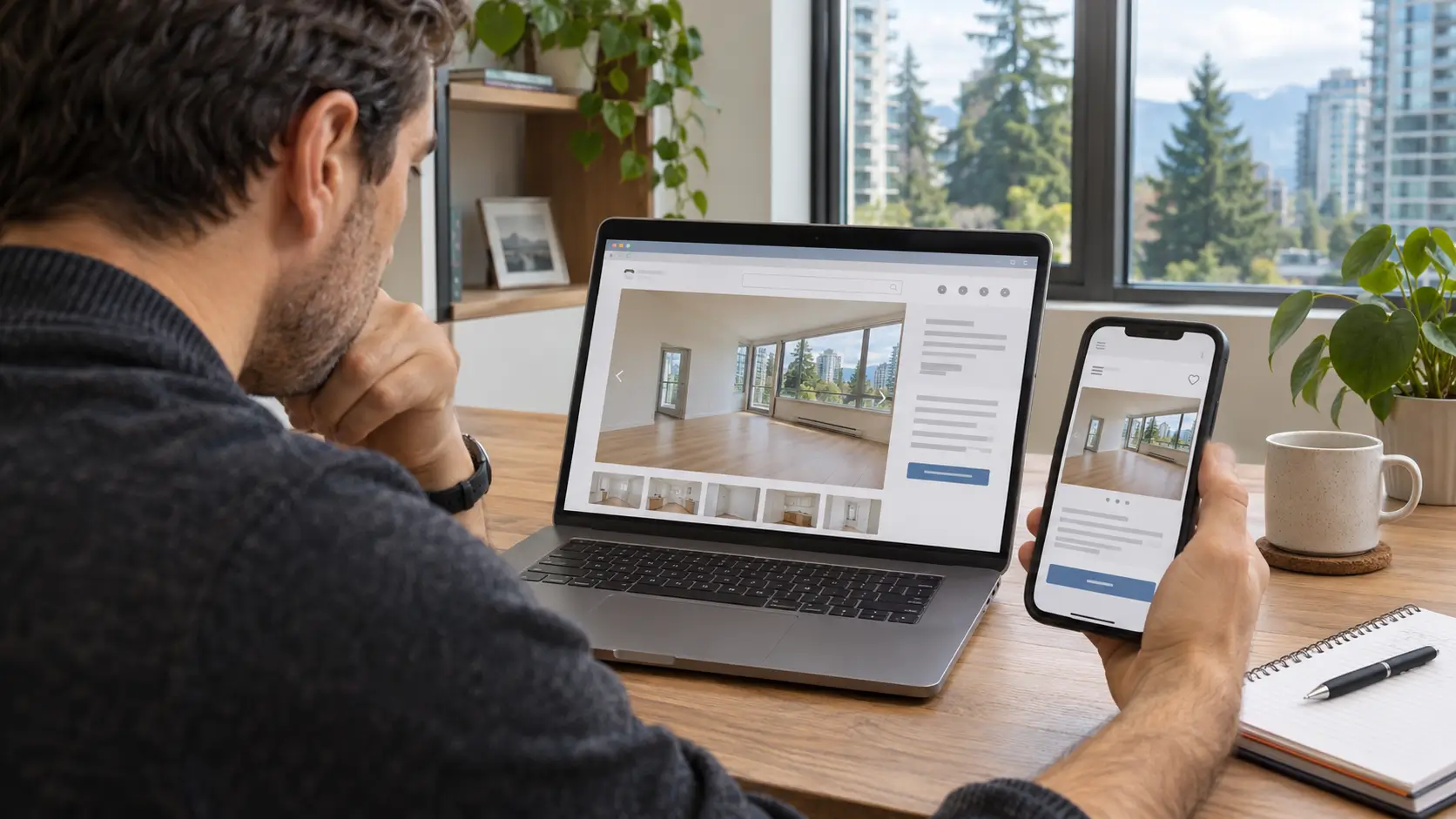
If someone copies your rental listing, save the evidence, confirm that the advertisement is unauthorized, and report it through the platform’s official channel. Then give genuine applicants a clear way to verify who represents the property. If money or personal information has been lost, direct the affected person to the appropriate reporting and recovery resources promptly. A copied advertisement can use your photographs and address while directing enquiries to someone else. The Canadian Anti-Fraud Centre describes this rental scam: stolen photographs help make a false offer look plausible, followed by pressure to send money. As the owner, your immediate task is to separate the real rental from the impersonation and keep an orderly record.
Confirm what was copied before calling it fraud
Start with your own advertising arrangements. A property manager or listing service may distribute an approved advertisement to more than one website. Ask your authorized representative whether the page is part of that distribution.
Compare the contact details, advertised rent, availability and payment instructions. Copied photographs alone do not tell you who published the page. A different payment recipient or an unrelated person claiming to offer your home is a more serious concern.
Keep your original listing available as a reference while you investigate. Axford’s guide to where to advertise rental properties explains the wider listing channels; this response is about an unauthorized copy, rather than choosing another platform.
Preserve a small, useful evidence file
Capture the information before requesting removal, because the page may disappear or change. Keep:
- The suspicious listing’s full web address and listing number, if shown.
- Screenshots showing the advertisement, profile or account name, contact details and date.
- A copy of your genuine advertisement and the original photographs you are entitled to use.
- Relevant messages or payment instructions voluntarily provided by affected applicants.
- Platform report confirmations and any police or fraud-report reference numbers.
Record what you know separately from what someone has told you. “An applicant says they sent a deposit” is different from a transaction you have independently verified.
Collect only what is needed. Applicants do not need to send you banking passwords, complete identification packages or unrelated financial records to help establish that an advertisement was copied. Keep the file accessible only to the people handling the incident.
Report the advertisement through the platform
Open the platform independently and use its reporting or help tools. Avoid following a link in a message claiming that you must log in or pay to remove the fake advertisement.
For Craigslist, the official posting-report instructions explain how to flag a suspected scam. Other platforms have their own process. Identify the unauthorized listing, explain your relationship to the property and provide the genuine listing reference where the reporting form allows it.
If the platform asks for supporting documentation, check that the request came through its official system and supply only what is reasonably needed. Keep a copy of what you submitted.
Reporting does not guarantee immediate removal. Note when you reported the page and check again for the outcome or a request for more information. If another copy appears, record its separate URL rather than assuming the first report covers every version.
Give applicants a reliable way to reach the real representative
A person who finds two versions of the same rental needs a simple verification route. Use the contact information on your genuine listing or your appointed property manager’s established website. Keep the names and contact details consistent across the advertisements you control.
A short factual reply can be enough: explain that the other advertisement is not authorized, identify the correct representative, and ask the applicant to verify any payment instructions through that established contact. Avoid circulating the suspicious advertisement as though it were another legitimate listing.
If the home is occupied, tell the current tenant about any unexpected viewing enquiries that could affect them. Agree how those enquiries should be redirected. The tenant should not be expected to investigate strangers or prove your ownership for you.
Once an enquiry has been verified, return to your normal application process. Suspicion about a copied advertisement is not a reason to skip consistent tenant screening or collect excessive personal information.
If someone has already paid or shared information
The applicant’s immediate recovery steps belong with their financial institution and the relevant authorities. Share the evidence you can reasonably provide, but avoid promising that you can retrieve their money.
The CAFC’s guidance for victims of fraud recommends contacting the financial institution that transferred the money, preserving records and reporting the incident. Different steps may be needed when identity information has been exposed.
For fraud involving a loss in Vancouver, Vancouver Police’s fraud guidance gives the non-emergency reporting number, 604-717-3321. If the affected person or incident is elsewhere, they should contact the appropriate local police agency. Use 911 for an immediate emergency.
Owners and witnesses can also report fraud or cybercrime to the CAFC, including incidents without a financial loss. Reporting the advertisement to its platform and reporting suspected fraud serve different purposes; retain both reference numbers if you make both reports.
Check whether the problem extends to your own accounts
An impersonator can copy a public advertisement without accessing your account. A duplicate page does not, on its own, prove that your email or listing account was hacked.
Look for a separate sign of compromise: unfamiliar messages sent from your account, changed recovery details or an advertisement edited without your permission. If you find one, follow the provider’s recovery process through its official website.
The federal Get Cyber Safe account-recovery guide recommends changing compromised passwords and enabling multi-factor authentication. Review access with anyone authorized to manage the listing, and notify people affected by unauthorized messages.
For ongoing advertising, keep an inventory of the pages you authorized and who controls them. Axford’s rental marketing guide covers the broader campaign; a clear list of authorized placements makes an unfamiliar advertisement easier to assess.
Put one person in charge of the response
Choose a contact to maintain the incident file, submit platform reports, answer genuine applicants and check whether the false advertisement remains online. Agree how often they will update the owner.
A manager can help coordinate those tasks within the service arrangement, but cannot promise that third-party platforms will remove every copy or that fraud will never occur. When discussing tenant placement with Axford, ask how listing enquiries and advertising records will be handled, including what support is available if impersonation is discovered.
Frequently Asked Questions About Copied Rental Listings
Should I delete my genuine advertisement?
Not automatically. First preserve the evidence and confirm which pages you control. Your genuine listing may help applicants and the platform verify the authorized offer. Review any changes with your appointed representative.
Does a copied listing mean my account was hacked?
No. Public photographs and descriptions can be copied without account access. Investigate account security separately if you see unauthorized edits, messages or changes to recovery information.
Can I report the incident if nobody has lost money?
Yes. The CAFC accepts reports from victims and witnesses, including incidents without a financial loss. You can also report the suspicious advertisement through the platform’s own tools.
Should I contact the suspected scammer?
Avoid starting a confrontation or sending further information. Preserve the available evidence and use the platform and official reporting routes. Ask police for guidance if threats or an immediate safety concern arise.
How long should I keep checking for copies?
There is no guaranteed period after which copying cannot recur. Set a practical review schedule while the legitimate rental is advertised and follow up on new enquiries or reports that suggest another copy exists.
Keep the genuine rental clear and accessible
An organized response helps applicants distinguish your property from an unauthorized offer. If you would like a consistent point of contact for advertising and tenant enquiries, speak with Axford’s Vancouver property management team about the service scope for your rental.
Information note: This guide provides general incident-response information. Reporting procedures can change, and neither a report nor professional management guarantees removal of a listing or recovery of funds.